Sustainability

Sustainable energy production
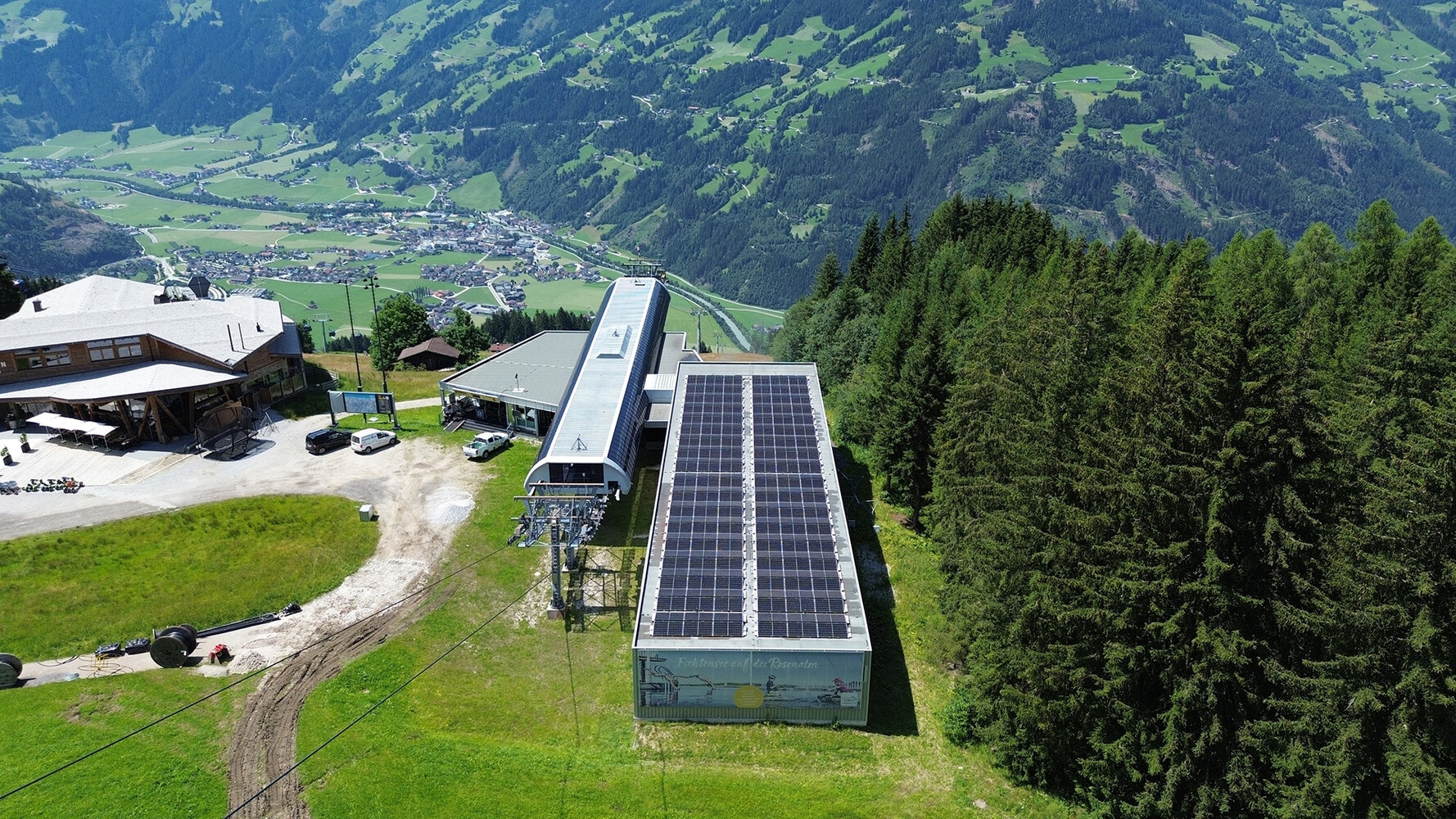
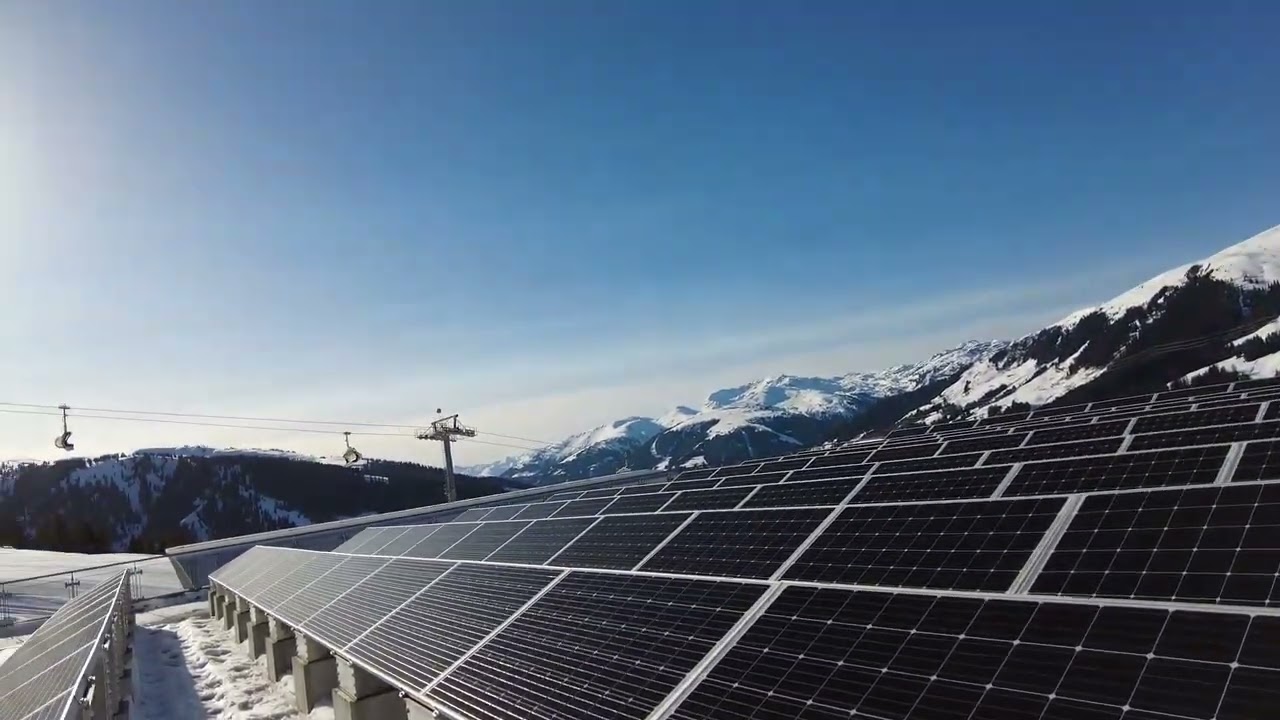
There are photovoltaic plants in the Zillertal Arena in Zell am Ziller, Gerlos, Königsleiten and Hochkrimml.
The three photovoltaic systems in Zell am Ziller generate around 205,000 kWh of electricity per year at different locations – this corresponds to the annual consumption of about 60 average households.
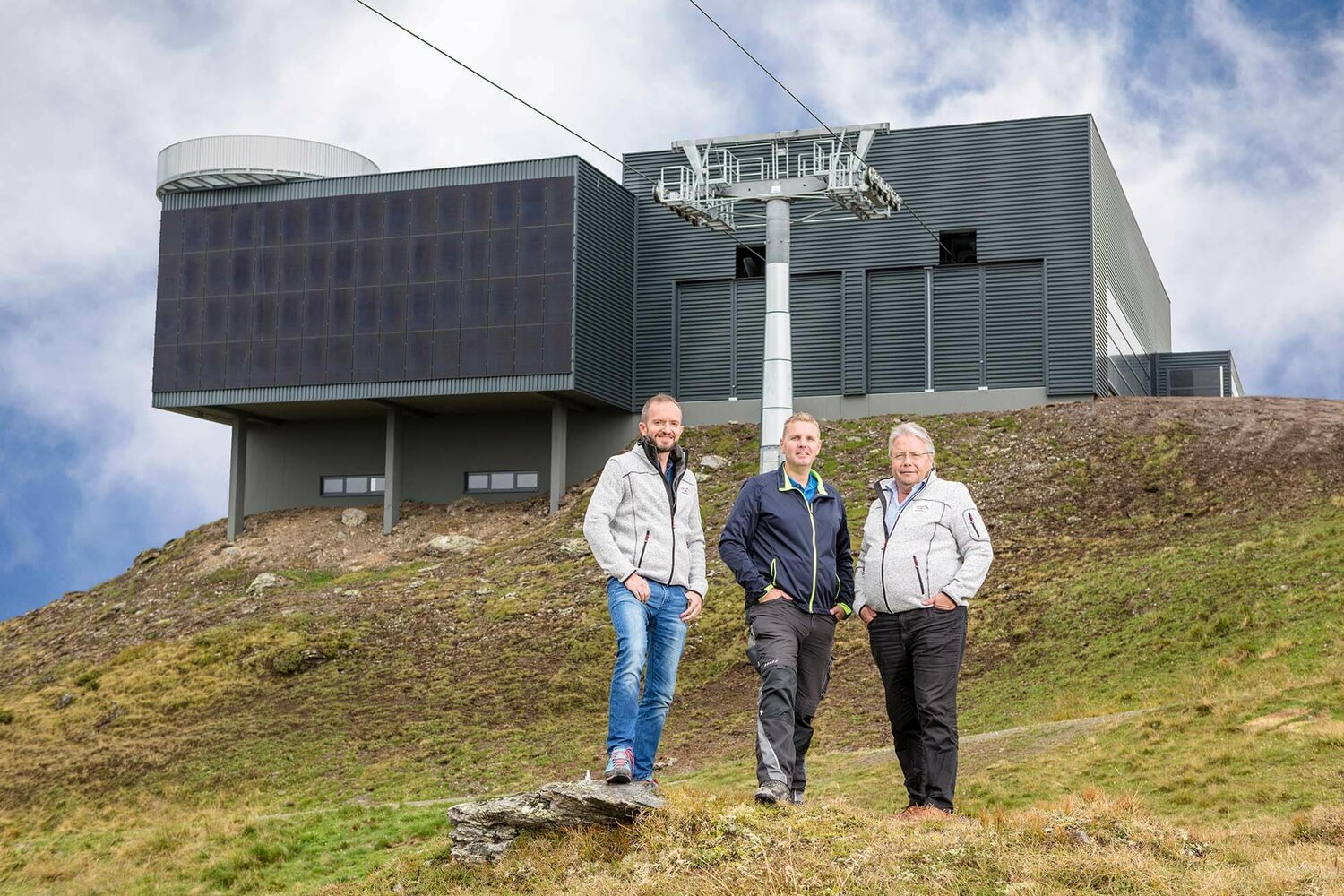
In Gerlos, five systems produce a similar amount of energy. A special highlight is the latest installation at the Stuanmandlbahn, which generates enough electricity to transport more than 640,000 people CO₂-neutrally on the Vorkogel drag lift in a single season.
The photovoltaic system in Hochkrimml produces around 66,000 kWh per year – enough to supply about 20 households. Alternatively, this amount of energy could power an electric car for almost 330,000 kilometres, equivalent to about eight trips around the Earth.
Outside operating hours, surplus electricity is fed into the public grid, creating not only an additional economic benefit but also an active contribution to sustainable energy production.
Outside the lift operating hours, the electricity generated is fed into the public grid. This brings both additional economic benefits and makes an active contribution to sustainable energy production.

Hydropower & district heating plant
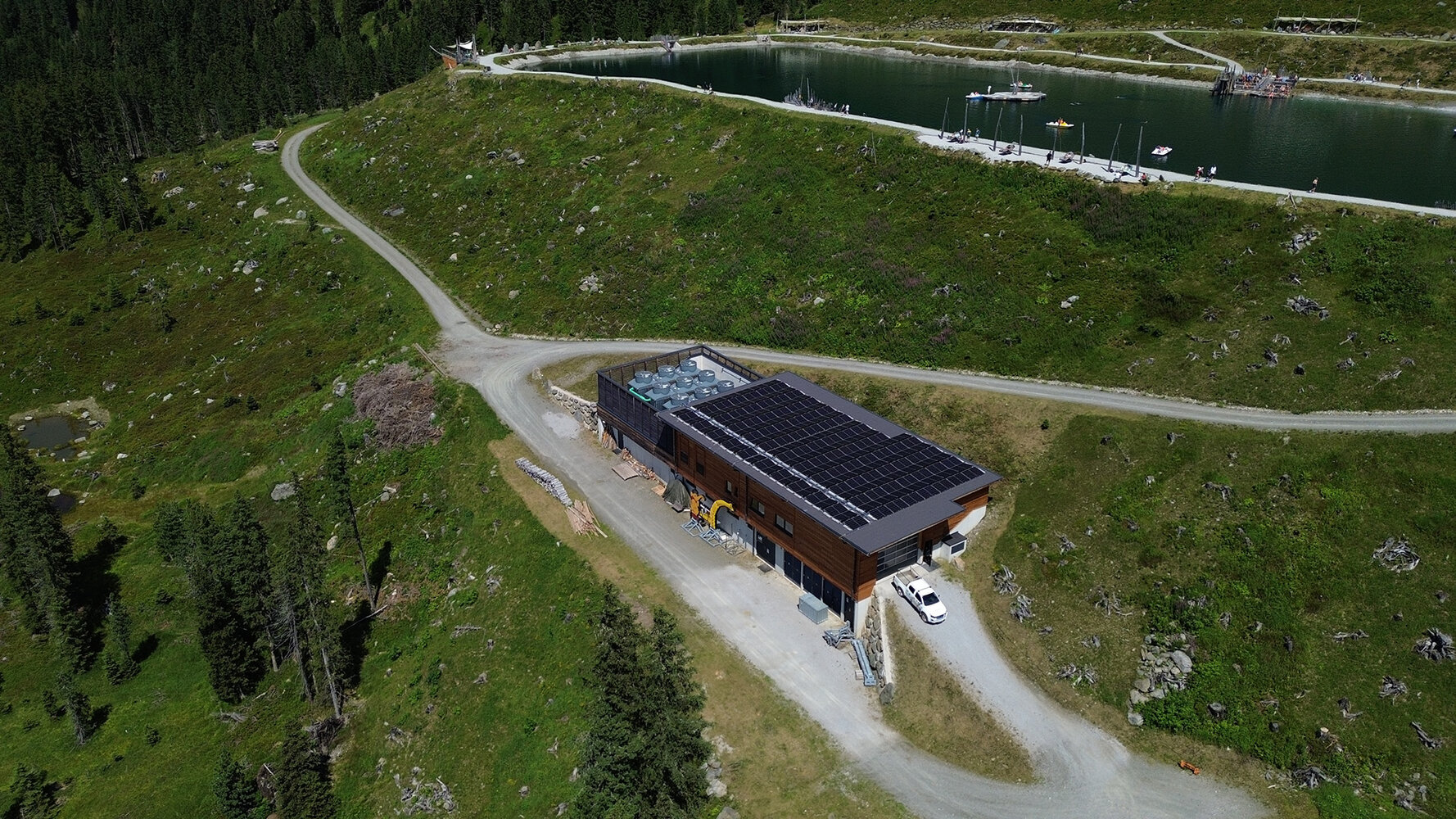
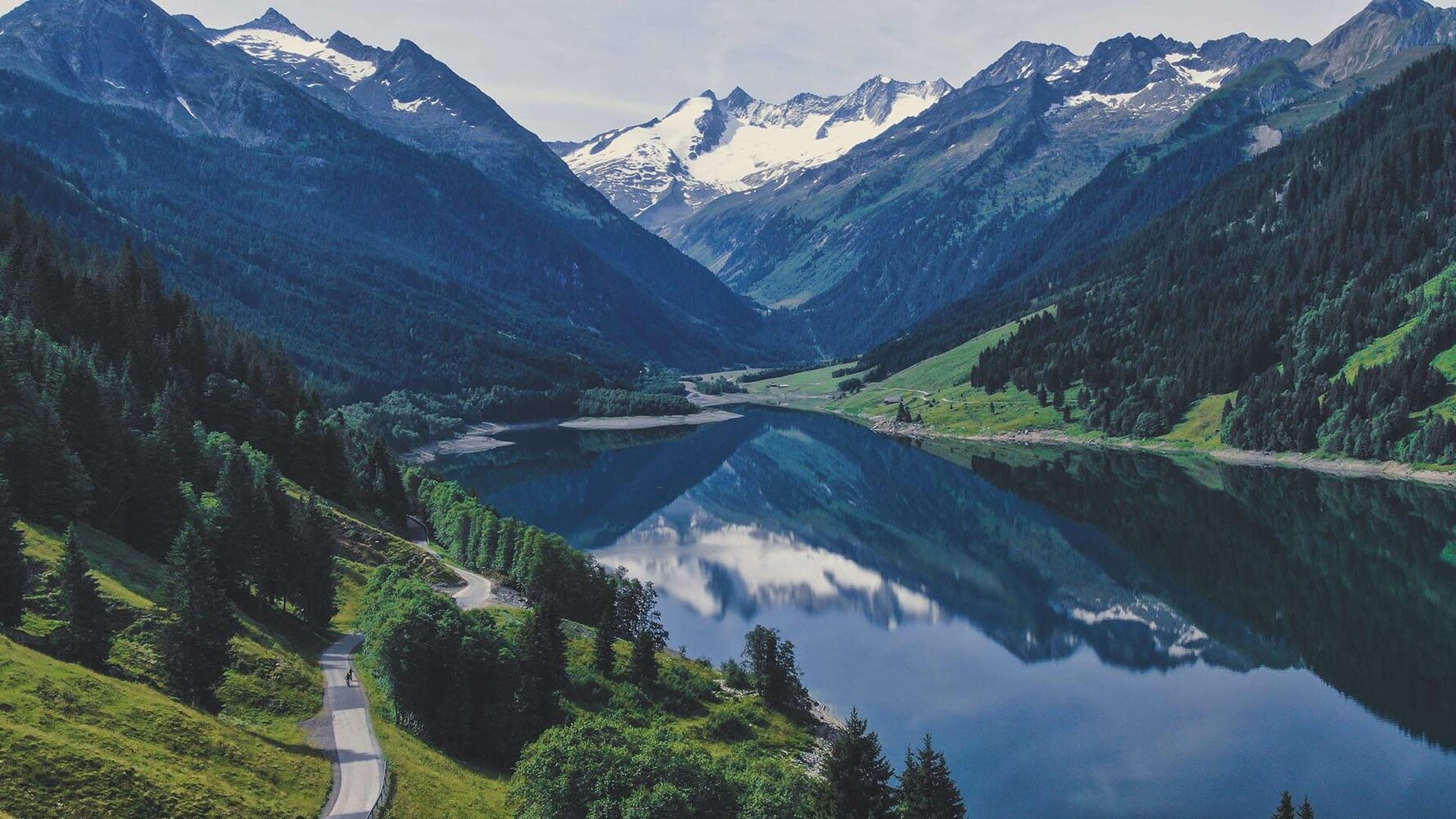
The two reservoirs with their large-scale power plants operated by Verbund in Gerlos and Zell am Ziller together achieve an annual output of 347.3 GWh. Of this, around 27 GWh of valuable electricity from 100% hydropower is produced each year at the Funsingau storage power plant, which has been in operation since 1968. This would make the village of Gerlos virtually self-sufficient in electricity, with the exception of peak demand days.
Another step towards a green future is the planned Krummbachtal hydropower plant, scheduled to begin construction in 2026. With an annual production of around 4.6 GWh, it will – together with existing photovoltaic systems – cover about 75% of the total electricity demand of Schilift-Zentrum-Gerlos GmbH.
Gerlos biomass heating plant
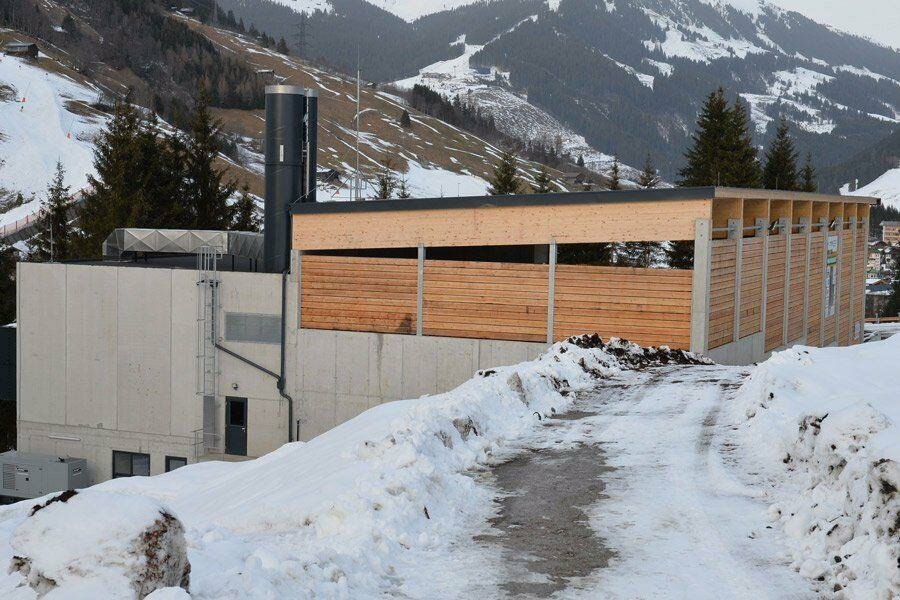
Since 2013, the biomass heating plant in Gerlos has been supplying around 80% of households as well as the Isskogel and Dorfbahn cable cars with environmentally friendly heat generated from regional wood. Although the originally planned “Gmünd” project will not be implemented, the tennis hall, the Arena staff houses, and the Almhof have been equipped with their own pellet heating systems. This conversion saves around 90,000 litres of heating oil per year.
E-mobility
E-mobility is also a strong focus in the Zillertal Arena. At the Fichtensee, an electrically powered transport vehicle has been in use since this summer, enabling necessary journeys on the Rosenalm to be carried out cleanly, quietly and in an environmentally friendly way. In addition, numerous electric cars are in daily use by the managing directors, chairpersons and employees of the Zillertal Arena. Wald-Königsleiten is also playing a pioneering role with its e-BOB mobility programme. To further enhance the holiday experience, guests are provided with electric cars as well as numerous e-bikes during the summer.
E-charging stations in the Zillertal Arena:
- Rosenalmbahn valley station Zell am Ziller: 8 charging places
- Karspitzbahn valley station Zell am Ziller: 4 charging places
- Isskogelbahn valley station Gerlos: 4 charging places
- Dorfbahn Gerlos: 3 charging stations
- Wald: 1 charging stations
- Königsleiten: 4 charging stations
- Krimml: 4 charging stations


Local public transport
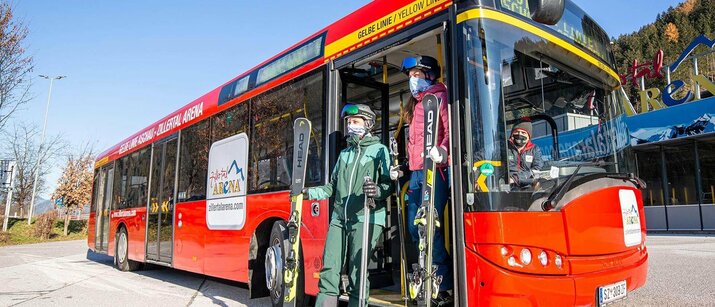
In all villages of the Zillertal Arena, a comprehensive and well-connected ski bus system ensures that every guest can travel to and from the ski area free of charge. The Arena cable car companies make a significant contribution to financing the ski bus service, thereby helping to reduce car traffic to the lift stations. The local transport concept is rounded off by the ski depots at the cable cars, making it even more convenient to arrive using public transport.
In summer, guests in Zell and Gerlos benefit from additional mobility offers: With the Zell-Gerlos TopCard, you can use the hiking bus between Zell, Gerlos and Königsleiten as well as the Arena Shuttle free of charge. The Arena Shuttle in Zell am Ziller operates as a modern e-bus – an emission-free service that takes you conveniently and environmentally friendly from the surrounding villages directly to the Rosenalmbahn valley station.
In Wald, Königsleiten and Krimml, the Guest Mobility Ticket is available, allowing you to use all public transport throughout the SalzburgerLand free of charge during your stay – all year round.
Environmentally friendly into the future: Zeller Bergbahnen relies on HVO fuel
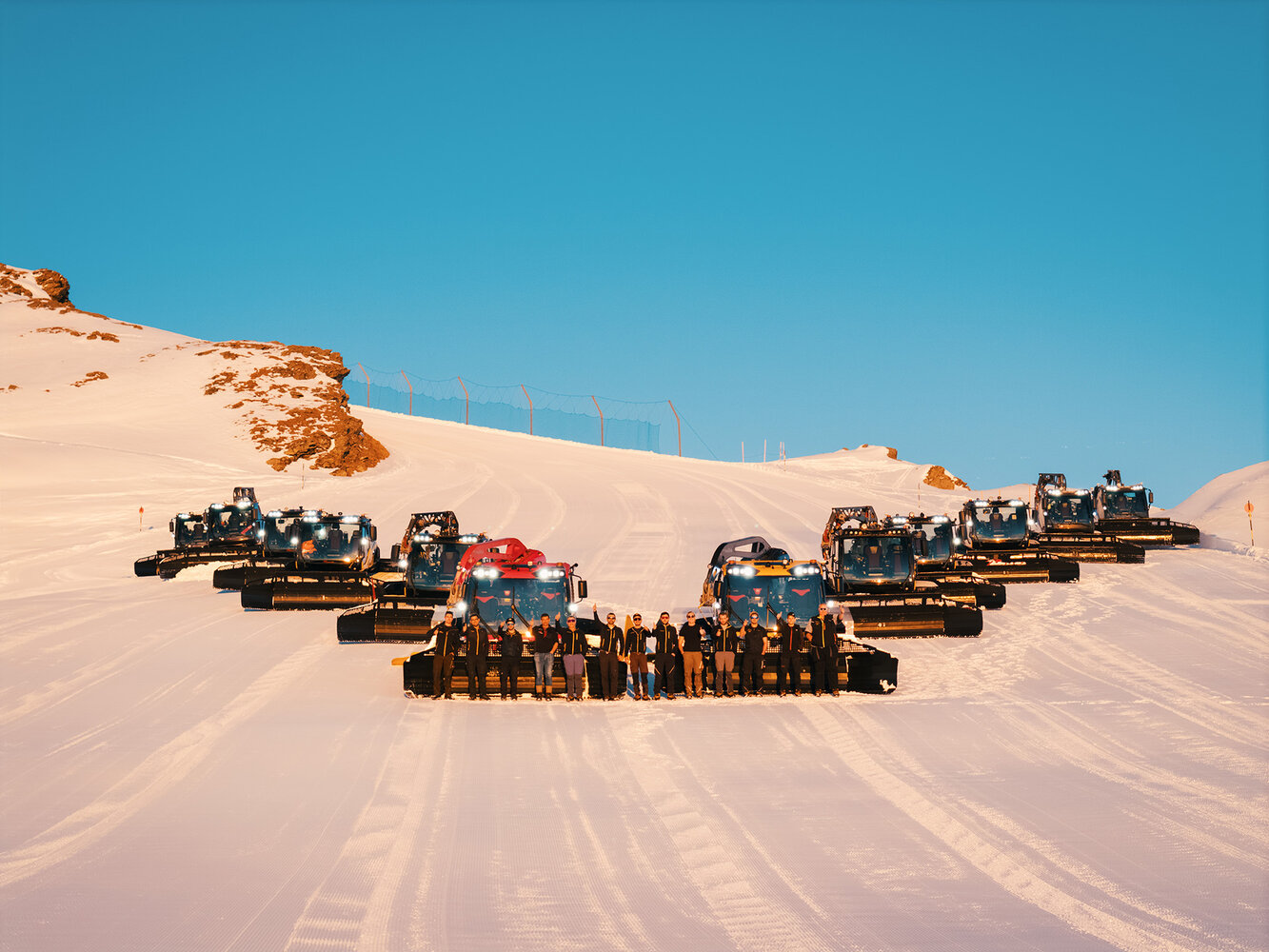
The snow groomers worked reliably and efficiently - even at extremely low temperatures. The environmental balance is particularly pleasing: HVO reduces CO₂ emissions by around 90 percent, significantly lowers particulate emissions and considerably reduces pollutants in the exhaust air (including nitrogen oxides, carbon monoxide and hydrocarbons).
In the fall of 2024, half of the Zell Bergbahnen's fuel depots were converted to HVO - without any technical conversions. Even though the alternative fuel is more expensive than conventional diesel, the decision is a conscious step towards sustainability. As a responsible company in the midst of alpine nature, Zeller Bergbahnen sees it as its duty to actively contribute to climate protection.

Zillertal Mobility Plan
Numerous measures are being implemented to sustainably improve the traffic situation in the valley within the framework of the Zillertal Mobility Plan. The holistic mobility concept includes the following key points, among others:
- Expanding bus & train services
- Shortening the journey times on the Zillertalbahn, which is run carbon-free
- Optimal transport links to the Zillertal Arena with the new Rohrberg train station, just a few minutes away from the Karspitzbahn cable car.
- Guest card = ticket
Commitment to forestry & nature
Additional reforesting in the region
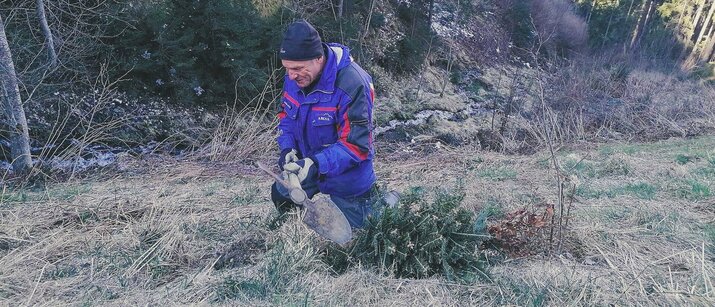
Every spring, we actively support reforestation work along the valley run in Zell am Ziller. The mixed forest is reforested with young firs, spruces, copper beeches and alders. Regular clean-ups in the ski area remove rubbish and make a sustainable contribution to environmental protection.
Environmentally friendly & sustainable ski run construction
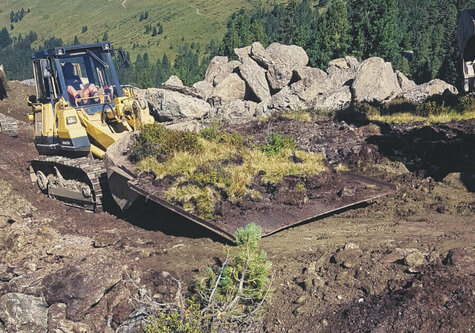
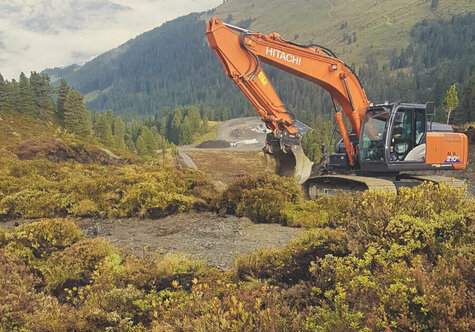
A strong focus is placed on careful and sustainable ski run construction in the Zillertal Arena. Grass sods and dwarf shrub heaths are carefully removed in certain sites, temporarily stored and replanted once the ski run construction is completed to restore the relief typical of the landscape through recultivation in the high alpine terrain. Close cooperation with specialist planners for geology, hydrology, geotechnics and experts for alpine skiing and safety on the slopes, as well as ecologically and environmentally friendly implementation, are the foundation for every ski run construction project. In Zell am Ziller, the ski run construction projects are planned and implemented together with our long-standing partner Neuhauser Erdbau & Transporte.

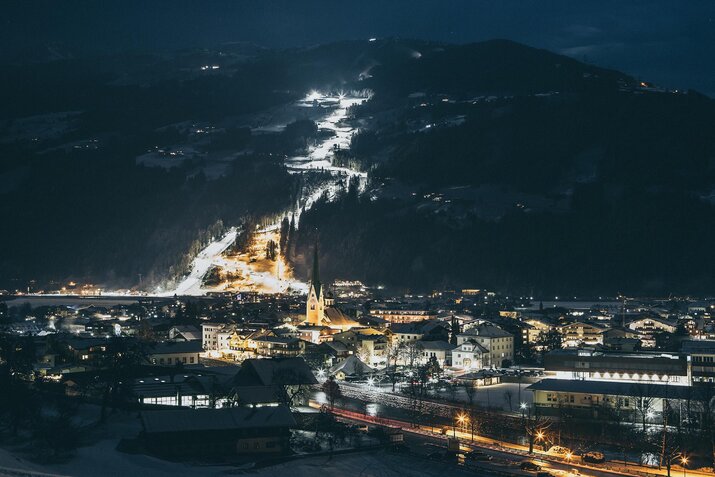
Floodlit Zell am Ziller valley run
We in the Zillertal Arena are proud of our valley run, as it is one of the longest valley runs in Austria, which is floodlit to enhance the options and attractiveness in winter. Contrast and shade are particularly important criteria when planning ski run lighting systems. Around 3,000 to 4,000 Kelvin of warm white LED light is much more environmentally friendly and makes it possible to clearly recognise colours. That’s why we decided on this first LED lighting system in Austria for the ski run area. The use of light outdoors at night is an integral part of our way of life, regardless of the numerous restrictions. Careful use of artificial light is therefore all the more important and contributes significantly to the protection of the habitat, flora, fauna and the natural balance.

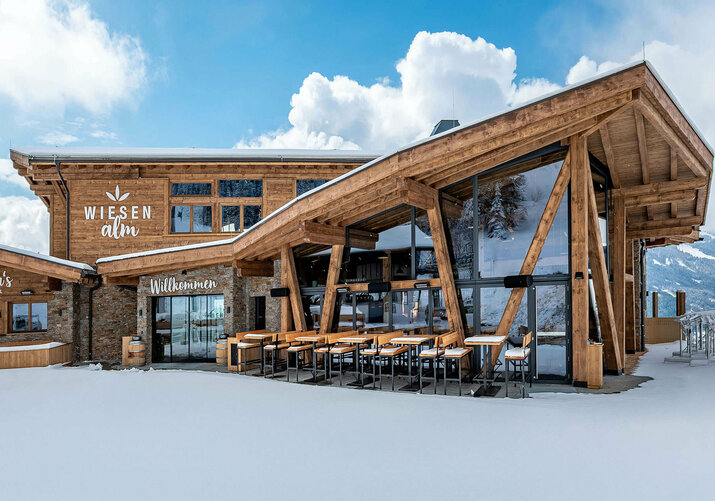
Wiesenalm Zell am Ziller
A strong focus was placed on sustainability during the construction of the Wiesenalm. In addition to a carbon-neutral pellet heating system, the waste heat from the gears of the nearby Rosenalmbahn and Karspitzbahn gondolas is also used in combination with a heat pump for heating and hot water production at the Wiesenalm. Furthermore, the Wiesenalm’s entire power supply comes from 100% renewable energy sources: firstly, the electricity is generated from our own photovoltaic system on the roof of the Rosenalmbahn cable car bottom station and secondly, all the electricity purchased from TIWAG (Tiroler Wasserkraft AG) is also 100% carbon-neutral.

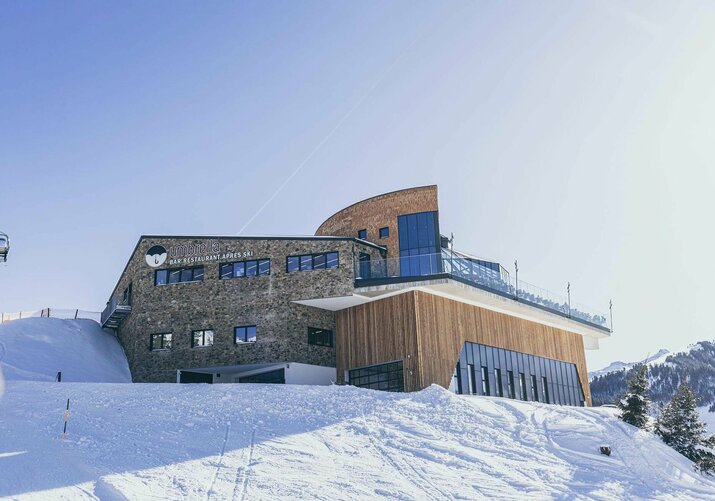
Umbrella Gerlos
The new construction of the Umbrella Bar in Gerlos took the traditional business to a new level in terms of facilities and infrastructure. The location of the Umbrella Bar alone is unique: situated on the Moseltret, guests have a spectacular panoramic view of Gerlos and the Reichenspitz mountain range. The sunny Umbrella Bar is also easy to reach by skis, ski bus or on foot.
Stichwort Sonne: The new building is heated with solar energy and biomass. This confirms once again that the path the Zillertal Arena took years ago is being constantly pursued.

Sustainability with certification
Fresh cuisine as well as local and traditional dishes made from regional ingredients are particularly important to many gastronomic establishments in the Zillertal Arena. With great passion, numerous establishments embody the values of the “Bewusst Tirol”, “Tiroler Wirtshäuser”, and “Ama Genussregion” cooperations, setting visible signs for product quality and regionality. Among them are the following establishments in the Zell-Gerlos tourism region: the Landgut Zapfenhof, the Wellness- & Genießerhotel Theresa, the Restaurant Erbhofa, the Alpenwohlfühlhotel Dörflwirt, the Hotel Gaspingerhof, the Hotel Schönruh, the traditional Gasthof Bräu, the Restaurant Schulhaus Tirol as well as the Hochzeller Käsealm.
Establishments certified with the Austrian Ecolabel and the European Ecolabel - EU Ecolabel include:
- DasPosthotel in Zell am Ziller
- MalisGarten Green Spa Hotel in Zell am Ziller
- Biohotel Castello in Königsleiten
- Hotel Ronach in Königsleiten
- Hotel Post Krimml